
PROVIDE

Biochar in Agriculture – Innovative Teaching Approaches for Sustainable Agriculture and Circular Carbon Economy

Develop practical teaching competences on biochar, soil health, nutrient management and Circular Carbon Economy through workshops, demonstrations, digital learning resources and ready-to-use classroom materials.

Category:

Course Venue

Nienburg, Germany


Content Areas
  • Environment and fight against climate change
  • Improving the competences of adult educators
  • Innovative learning and teaching practices

Topics

Biochar, Sustainable Agriculture, Circular Carbon Economy, Carbon Farming, Soil Health, Composting, Slurry Management, Climate-smart Agriculture, Vocational Education and Training (VET), Digital Learning, Artificial Intelligence in Education, MOOC Development, Learning by Doing


Potential Participants

Trainer , Educator , Staff/Professional


Course Duration (in days)

5


Next Available Course
From 14. Sep 2027
To 18. Sep 2027

Organised by

DEULA Nienburg GmbH

Language(s)

English


Description

This five-day international course equips vocational education teachers, trainers and adult educators with practical knowledge and innovative teaching approaches for integrating biochar and Circular Carbon Economy into agricultural education.

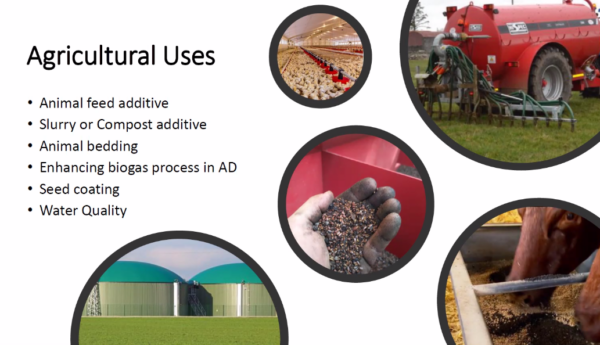
Participants explore the complete biochar value chain—from sustainable biomass resources and pyrolysis technologies to practical applications in composting, soil conditioning and slurry management. Scientific principles are combined with practical demonstrations, field visits and interactive workshops to illustrate how biochar contributes to climate-smart agriculture, improved soil health and sustainable nutrient management.


The course has a strong pedagogical focus. Participants do not only learn about biochar technologies but also develop ready-to-use lesson plans, classroom activities, practical exercises and digital learning resources that can immediately be implemented in vocational education and adult learning.

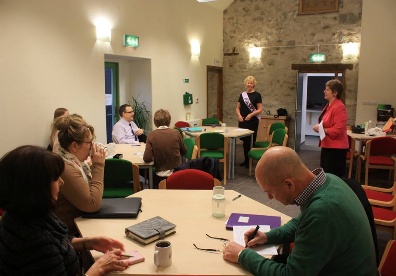
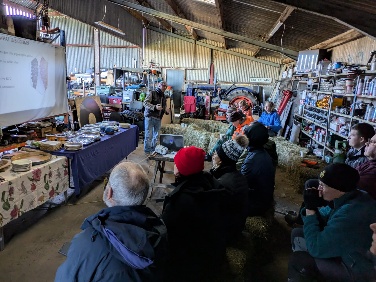
Learning takes place through a combination of expert input, hands-on demonstrations, collaborative workshops, problem-based learning, field visits and peer exchange. Participants work together to analyse case studies, compare European agricultural systems and develop innovative teaching concepts suitable for their own institutions.

By the end of the course, each participant leaves with a comprehensive teaching package, including learning activities, assessment ideas, digital resources and practical examples that support the integration of sustainability topics into vocational education. The course therefore combines technical expertise with modern educational methodologies, enabling participants to transfer both knowledge and teaching practices directly into their own classrooms.


European Dimension

The course is designed to strengthen European cooperation in vocational education and training by bringing together teachers, trainers and adult educators from different countries who share a common interest in sustainable agriculture, climate action and innovative teaching practices.

Although agricultural systems vary across Europe, many challenges are shared: declining soil fertility, climate change, water scarcity, nutrient losses and the need to reduce greenhouse gas emissions while maintaining productive farming systems. The course provides a platform for participants to exchange experiences, compare national approaches and jointly explore practical solutions that can be adapted to different regional contexts.

Throughout the programme, participants work collaboratively on case studies, practical assignments and teaching concepts based on biochar and Circular Carbon Economy principles. This international exchange encourages peer learning and helps participants understand how sustainability challenges are addressed in different European agricultural systems.

The course strongly supports the priorities of the Erasmus+ Programme by promoting:

  • Environmental sustainability and climate action;

  • Innovation in vocational education and training;

  • High-quality competence-based teaching;

  • Digital education and the integration of modern learning technologies;

  • Lifelong learning and professional development;

  • European cooperation and intercultural exchange.


Participants are encouraged to transfer the knowledge and teaching materials developed during the course into their own educational institutions. This contributes to the wider dissemination of innovative teaching approaches and strengthens the European community of educators working towards more sustainable agricultural systems.


The course also provides opportunities for future collaboration between participants through Erasmus+ mobility projects, joint curriculum development, exchange of teaching resources and participation in European sustainability networks. By building long-term professional relationships, the programme supports continuous innovation and the transfer of good practices across Europe.

Tentative Program & Schedule

Day 1 – Introduction to Biochar and Circular Carbon Economy

Morning

Welcome and introduction to DEULA Nienburg

Getting to know the participants

European challenges in sustainable agriculture

Introduction to Circular Carbon Economy


Afternoon

Fundamentals of biochar

Biochar production technologies and feedstocks

European case studies

Interactive discussion and reflection


Day 2 – Biochar Applications in Agriculture

Morning

Biochar as a soil conditioner

Biochar in composting systems

Biochar in slurry and nutrient management

Seed coating and horticultural applications


Afternoon

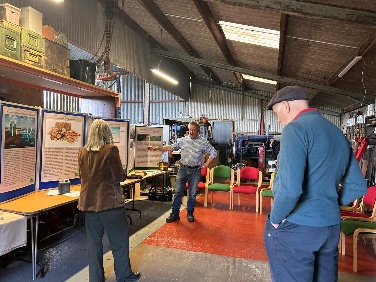
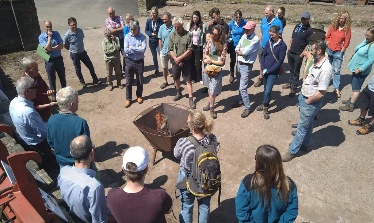
Practical demonstrations

Soil profile analysis

Biochar handling and application methods

Group work: Analysing agricultural case studies


Day 3 – Learning by Doing: Practical Applications

Morning

Excursion to an agricultural demonstration farm

Biochar applications in practice

Sustainable nutrient management

Climate-smart farming systems


Afternoon

Demonstration of agricultural machinery and application technologies

Discussion with agricultural practitioners

Reflection on practical experiences

Transfer to participants' own educational contexts


Day 4 – Teaching Biochar in Vocational Education


Morning

Competence-based education

Project-based learning

Digital teaching methods

AI-supported lesson planning


Afternoon

Developing classroom activities

MOOC and digital learning resources

Assessment methods

Collaborative lesson planning workshop


Day 5 – Developing Future Learning Concepts


Morning

Group presentations of teaching concepts

Peer feedback

Discussion of implementation strategies


Afternoon

European networking opportunities

Erasmus+ cooperation and project ideas

Course evaluation

Certificate ceremony and closing session


Expected Outcome

After completing the course, participants will be able to:


  • Explain the principles of biochar production and its role in the Circular Carbon Economy.

  • Evaluate the potential of biochar applications in agriculture, including soil conditioning, composting and slurry management.

  • Assess the environmental, agronomic and climate-related benefits of biochar in sustainable farming systems.

  • Integrate biochar and Circular Carbon Economy concepts into vocational education and training programmes.

  • Apply learner-centred teaching methods, including Learning by Doing, project-based learning and digital learning approaches.

  • Develop competence-based lesson plans and practical learning activities for agricultural education.

  • Use digital teaching resources, MOOC materials and AI-supported tools to enhance classroom instruction.


  • Design practical demonstrations and case studies related to biochar and sustainable agriculture.

  • Exchange good practices with educators from different European countries and establish professional networks for future cooperation.

  • Transfer the acquired knowledge, teaching materials and practical activities directly into their own educational institutions.


Certification

Participants who successfully complete the course will receive a Certificate of Participation issued by DEULA Nienburg GmbH, confirming their participation in the international training course and the learning outcomes achieved.

Upon request, participants may also receive a Europass Mobility Certificate (where applicable within the Erasmus+ mobility framework) to support the recognition of learning outcomes acquired during the course.

In addition, participants will receive a Digital Teaching Resource Package containing the course presentations, practical exercises, lesson plans, worksheets, case studies and selected digital learning materials developed during the training.


Venue address

Max-Eyth-Straße 2
31582 Nienburg
Germany


How to Apply

For further information and course registration, please contact:


DEULA Nienburg GmbH

International Office


E-mail: info@deula-nienburg.de


Website: www.deula-nienburg.de


The course is offered twice per year. Additional course dates can be arranged for closed groups or Erasmus+ consortia upon request.


Early registration is recommended, as the number of participants is limited to ensure a highly interactive learning experience.


Minimum Number Of Participants

8


Participation Fee

€ 1450


Further Information on Course Fees

The course fee of 1,450 EUR includes:


  • Five-day international training course

  • Course materials and digital learning resources

  • Certificate of Participation

  • Digital Teaching Resource Package

  • Four nights of accommodation at the DEULA campus hotel (single room)

  • Full board (breakfast, lunch, dinner and coffee breaks)

  • Local transportation during the course programme

  • Technical visits and excursions included in the official programme

  • Access to DEULA's training facilities and demonstration areas


Travel costs to and from Nienburg are not included.


The course fee is eligible for funding through the Erasmus+ KA1 programme, subject to the funding rules of the participant's National Agency.


DEULA Nienburg GmbH

DEULA Nienburg GmbH


Address

Max-Eyth-Str.2, 31582 Nienburg, Germany

Website URL

http://www.deula-nienburg.de

Contact persons

Heide Reimer, Erasmus+ Coordinator heide.reimer@deula-nienburg.de